Permanent Residency
Permanent residence gives you the right to live, work and study anywhere in Canada, access to public healthcare, and a route to citizenship. There are several ways in, and the right one depends on your work history, your language ability, where you have ties in Canada and how much time you have. Canada plans 380,000 new permanent residents in 2026.
The main routes
Canada plans 380,000 new permanent residents in 2026. Which door you come through depends on your work history, language ability and where you have ties.
- ● Express Entry — Federal Skilled Worker, Canadian Experience Class and Federal Skilled Trades. 109,000 admissions planned for 2026, almost all through category-based rounds.
- ● Provincial nominations — 91,500 admissions planned, across every province and territory except Quebec and Nunavut. A nomination adds 600 CRS points.
- ● RCIP and FCIP — community pilots needing a designated-employer job offer and a community recommendation.
- ● Atlantic Immigration Program — a permanent programme across the four Atlantic provinces, roughly 4,000 admissions a year, no LMIA required.
- ● Family sponsorship — 69,000 admissions planned for spouses, partners and children in 2026.
What changed that affects nearly everyone
- ● Arranged-employment CRS points were removed on 25 March 2025 — an LMIA no longer adds 50 or 200 points.
- ● Category-based selection now drives Express Entry, and the minimum experience for occupational categories rose to twelve months for 2026.
- ● Government fees rose on 30 April 2026: $990 processing plus a $600 right of permanent residence fee, so $1,590 per adult.
- ● Ontario closed all nine of its provincial streams and replaced them with one; BC eliminated its graduate streams; Nova Scotia consolidated ten pathways into four.
- ● Four federal pilots closed between May and December 2025, including RNIP, the Agri-Food Pilot and the caregiver pilots.
Where people lose the most time
The expensive mistakes are rarely complicated. Chasing a job offer for CRS points that no longer exist. Preparing for a provincial stream that closed months earlier. Applying to a province with no genuine intention of living there. Or filing an application that is technically complete but evidentially thin, and losing a year to a refusal a proper review would have caught.
A consultation earns its money precisely when the answer is "not yet — and here is what to fix first".
How we work
We are a licensed practice: CICC licence R1034253, holding the RCIC-IRB designation that permits representation before the Immigration and Refugee Board. That matters most when something goes wrong — refusals, procedural fairness letters, sponsorship appeals and residency obligation appeals are handled in-house rather than referred elsewhere. Consultations in English, Punjabi and Hindi.
Reviewed by a licensed RCIC · Last updated 13 August 2026. Immigration rules change often — confirm anything time-sensitive with us or on canada.ca.
PR Pathways We Support
Choose the pathway that fits your background, ties to Canada, and goals.
Express Entry
Federal Skilled Worker, Canadian Experience Class and Federal Skilled Trades — now driven by ten category-based draws
Learn more →
Immigration Pilots
What is actually open in 2026 — RCIP, FCIP and the Atlantic Immigration Program — and what has closed
Learn more →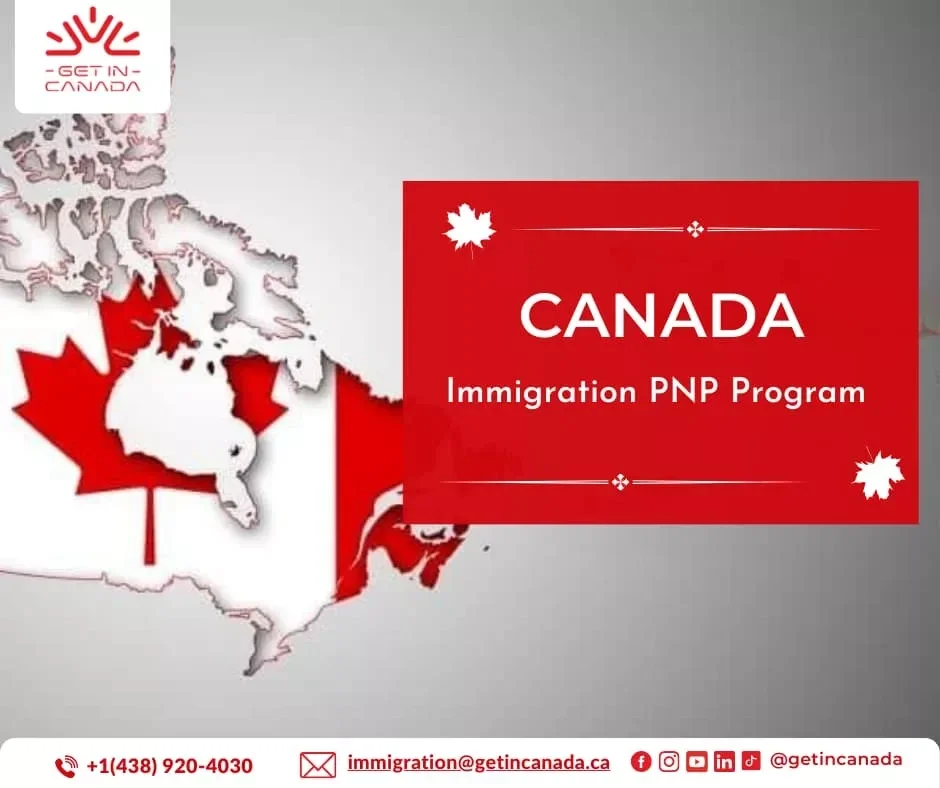
Provincial Nominee Programs
Every province and territory: BC's restructured streams, Ontario's new single stream, Alberta, Saskatchewan, Manitoba, Atlantic Canada and the territories
Learn more →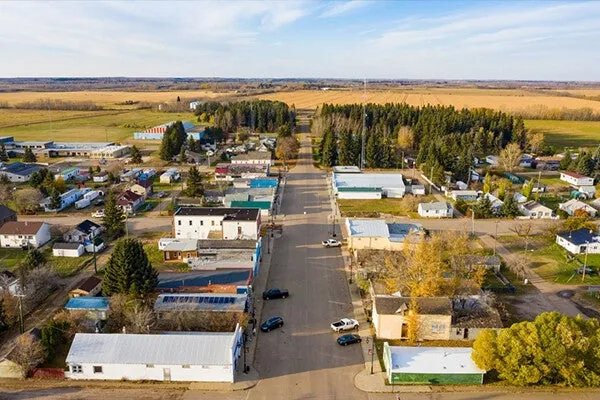
Rural Community Immigration Pilot (RCIP)
PR through 14 designated rural communities, including West Kootenay, North Okanagan Shuswap and Peace Liard in BC
Learn more → Francophone Community Immigration Pilot (FCIP)
PR for French speakers in six designated communities, including Kelowna — NCLC 5 French, no English test accepted
Learn more →Benefits of Canadian Permanent Residence
- ✓ Live, work, and study anywhere in Canada
- ✓ Access to free public healthcare under provincial plans
- ✓ Public school education for dependent children at no cost
- ✓ Eligibility for most social benefits available to Canadian citizens
- ✓ Path to Canadian citizenship after 3 years of residence
- ✓ Protection under Canadian law and Charter rights
- ✓ Sponsor immediate family members for PR
- ✓ No need to renew status as long as you meet residency obligation
Why Choose Us?
Personalized Assessment
- Understanding your Canadian immigration needs and goals.
- Assessing eligibility across multiple programs.
- Recommending the best pathway for your situation.
- Answering all questions and addressing concerns.
Tailored Approach
- Custom Canadian immigration plan suited to you.
- Clear proposal outlining services and payment structure: 50% before processing, 50% before submission.
- Comprehensive checklist after initial payment.
Application Fulfillment
- Dedicated case manager assigned to your file.
- Strong application prepared within 7–10 business days.
- Review and final approval before submission.
Trusted Partnership
- Kept informed at every stage from submission to decision.
- Ongoing support and guidance until you reach your goals.
- Available for status updates at any time.
Ready to take the next step?
Book an appointment with our licensed RCIC team. We'll review your case, identify your best pathway, and outline the next steps.
Consultations are free for most enquiries. Permanent residence consultations (Express Entry, PNP and related PR pathways) are $25.
Frequently asked questions
How long does permanent residence take in 2026?
IRCC's service standard for Express Entry is six months for a complete application, and it publishes live processing times by programme. Provincial nominee applications have been running longer, and family sponsorship substantially longer — around 17 months outland and 27 months inland at the time of writing. Add the time it takes to build the application properly before it is filed.
Do I need a job offer to get permanent residence?
Not for Express Entry, and a job offer no longer adds CRS points. It is still required for some provincial streams, for the Atlantic Immigration Program, and for RCIP and FCIP. So the honest answer is that it depends entirely on which route fits you — which is the first thing worth working out.
What is the cheapest route?
Government fees are broadly similar across economic routes — $990 plus a $600 right of permanent residence fee per adult, plus language tests, credential assessments, medicals and police certificates. The expensive part is usually time: a route that takes three years costs far more in practice than one that takes one, even if the filing fees are identical.
Can I include my family?
Yes. A spouse or common-law partner and dependent children under 22 who are not married or in a common-law relationship can be included in most economic applications. Age is locked in at a set date, so a child close to 22 is a timing issue worth raising early rather than late.
What if I have been refused before?
It is worth a proper review rather than a resubmission. Refusals often turn on something specific — an unexplained gap, a document that did not prove what it was supposed to, or a misread of the eligibility rules. Our RCIC holds the IRB designation, so where an appeal or a procedural fairness response is the right answer, we can act on it directly.
Still unsure how this applies to your case? Book an appointment with a licensed RCIC.
Waymark runs on the Nova System platform — built in Abbotsford, BC by practising RCICs.